

Latest News
Air India Suspends Middle East Flights, Indigo Faces Delays After Iran-UAE Airspace Restrictions

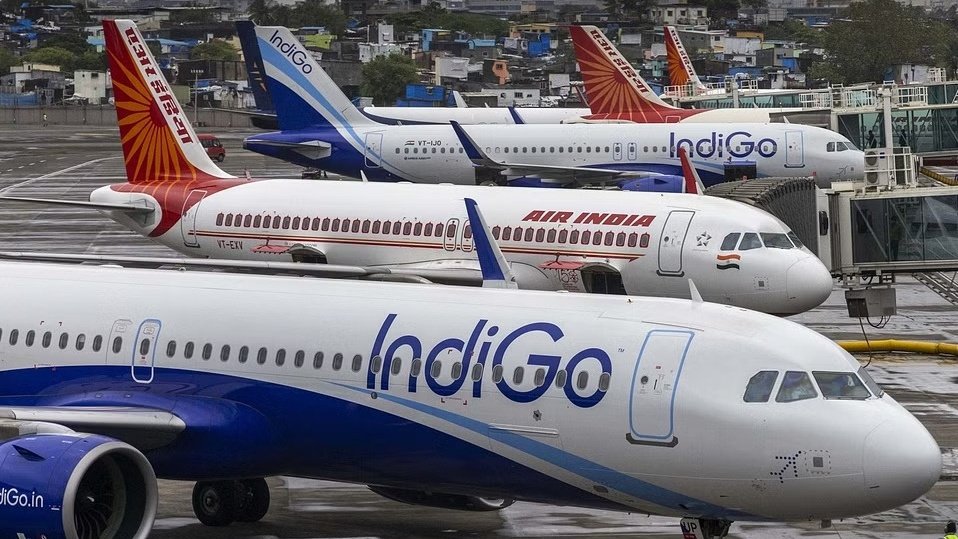
International air travel from India has seen significant disruptions in early March 2026 as major carriers adjust operations in response to ongoing tensions and airspace restrictions over parts of the Middle East. These developments have affected flights to and from the Gulf region, particularly routes involving the United Arab Emirates (UAE), Saudi Arabia, Qatar and neighbouring countries.
Air India Extends Suspension Across Gulf Routes
In a statement released in early March, Air India confirmed that it has temporarily suspended all of its flights to and from major Middle East destinations, including the UAE, Saudi Arabia, Qatar and Israel. The suspension was extended through March 3, 2026, as airspace closures over key sections of West Asia continue to pose operational challenges and safety concerns.
The airline has also cancelled a number of long-haul international services that transit those regions, including several Europe-bound flights originally scheduled via Gulf airspace. Passengers affected by these cancellations are being offered full refunds or the option to reschedule without additional charges.
IndiGo Reacts to Airspace Closure with Delays and Adjustments
Low-cost carrier IndiGo has likewise faced disruptions. The airline temporarily suspended select international services that operate through Middle East airspace, with delays and cancellations on routes to cities such as Dubai, Abu Dhabi, Doha, Jeddah and Kuwait.
Passengers impacted by the changes are being advised to check the airline’s latest flight status updates and options for refunds or alternate travel plans. IndiGo has extended full flexibility, including waiver of change fees or refunds, for bookings made before the airspace closure came into effect.
Broader Impact on Indian Aviation
The ripple effects of the Middle East airspace restrictions have been felt across India’s major airports. Several domestic carriers, including Akasa Air and SpiceJet, have also temporarily halted flights to and from West Asia, offering passengers similar rebooking and refund flexibility.
The Directorate General of Civil Aviation (DGCA) and India’s Ministry of Civil Aviation have been actively coordinating with airlines to manage the situation, prioritising passenger safety while trying to maintain as much continuity in international connectivity as possible.
Advice for Travellers
If you have upcoming travel plans involving Middle Eastern destinations or connections through Gulf hubs, it’s important to:
- Check your flight status regularly with the airline or on official airport pages.
- Review your booking options for refunds or flexible rebooking, especially for travel dates affected through early March 2026.
- Plan for possible delays or reroutes if your itinerary uses airspace near the affected regions.
Airspace closures in the Middle East remain fluid and dependent on geopolitical developments. Staying informed will help you navigate changes with minimal disruption to your travel plans.











good